
In recent years, Southeast Asia has become an important destination for motor manufacturers adding production capacity, thanks to its location and cost advantages. As demand grows in downstream consumer electronics, automotive components and industrial appliances, local motor factories expanding their capacity face rising labor costs and a limited supply of experienced winding operators, while customers keep raising their requirements for batch-to-batch consistency. Choosing the right automation approach for the winding process has therefore become a key factor in whether an expansion project can reach planned output on schedule and supply orders reliably.
1. Where Expansion Projects Need to Re-evaluate Automation
Unlike upgrading an existing line, building a new factory overseas requires the automation plan to account for local conditions from the outset. First is process coverage: whether rotor winding, stator inner-winding and related steps should be integrated into one line directly affects workpiece transfer and staffing. Second is line flexibility, as local orders often shift between multiple specifications in small batches, and how easily the machine can be changed over determines line utilization. Third, operating and maintenance teams need to be trained from scratch, so equipment stability, cycle time and after-sales response all shape actual output after launch.
2. Process Flexibility and Precision of Winding Equipment
Take a multi-station rotor winding machine as an example. Built-in servo motors are coordinated through a numerical control system; by adjusting the nozzle position and core rotation, the machine winds along a programmed trajectory, and winding programs can be adjusted to suit various core lamination thicknesses and pole counts. Its wire-laying system supports segmented feeding and can independently adjust the nozzle lift of each layer to prevent enameled-wire slack, helping keep the winding neat and turns uniform. This approach of handling specification changes through program parameters suits expanding factories that switch quickly between products and reduces reliance on experienced operators.
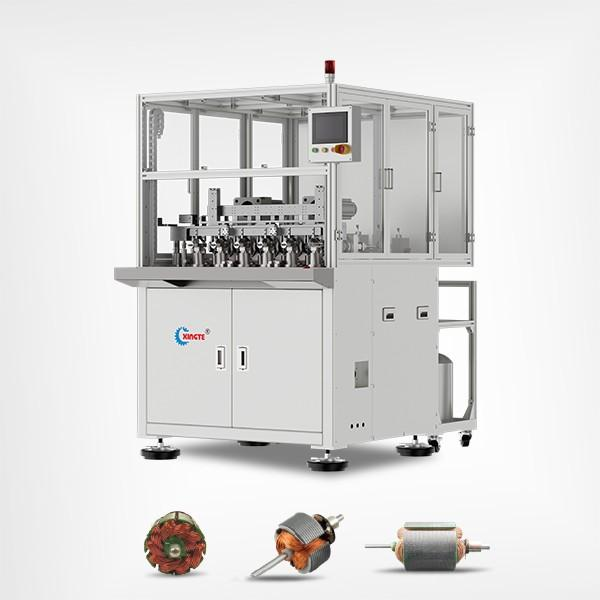
3. One-stop Delivery and Localized Service
A new plant raises the bar on equipment delivery and after-sales support. Whether the winding equipment supplier can deliver a one-stop package covering process planning, machine manufacturing, on-site commissioning and operator training, and provide timely maintenance after the line is in operation, is essential for overseas expansion. A manufacturer with in-house machining and complete production support is better positioned to control delivery lead time and equipment consistency. For motor companies entering the region for the first time, a stable equipment supply and dependable service often matter more than any single parameter.
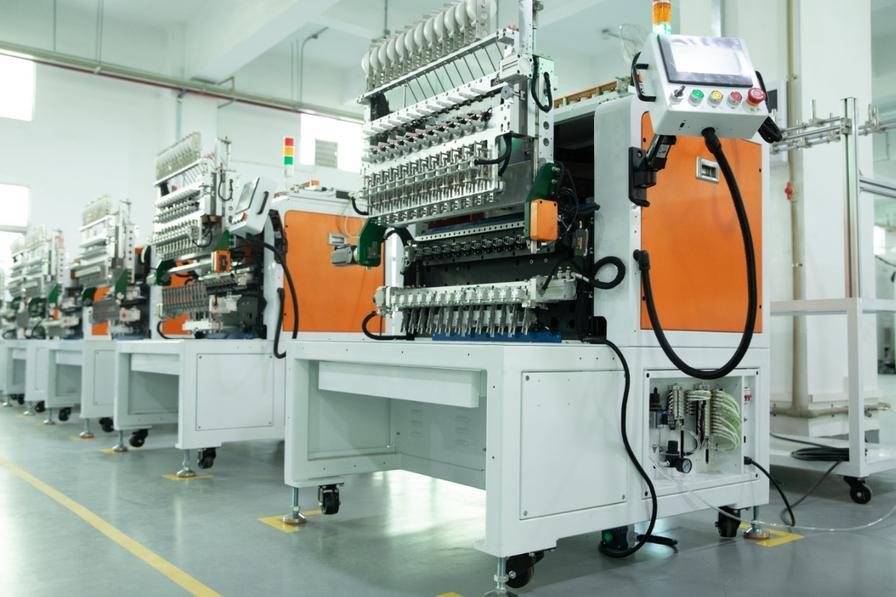
Shenzhen Xingte Technology Co., Ltd. has long specialized in the R&D, production and service of high-precision winding equipment and non-standard automation, with an in-house machining center and complete production support, and a sales and service network covering more than 50 countries and regions. Addressing the needs of motor manufacturers expanding in Southeast Asia for process integration, flexible changeover and localized delivery, Xingte offers one-stop automation from winding to final assembly to help new production lines ramp up steadily.