
A fiber array (FA) is a key component that connects the optical chip to the fiber in high-speed optical modules, and its coupling yield directly determines production cost and delivery pace. FA coupling is a delicate, multi-step sequential process; end-face quality, alignment accuracy, assembly consistency and disciplined commissioning all show up in the final yield.
1. Main Factors Affecting FA Coupling Yield
From loading to finished product, FA coupling yield is shaped by several linked factors. First is the quality of the fiber end face: defects such as scratches, pits, chipping and contamination directly increase insertion loss and degrade return loss. Second is alignment accuracy: positional deviations between the lens, the FA and the optical chip must be repeatedly corrected by peak search on a nano-precision platform. Third is assembly consistency: fluctuations in adhesive thickness and flatness during dispensing and curing can shift an already aligned optical path. Any variation in these steps is amplified into a higher defect rate in batch production.
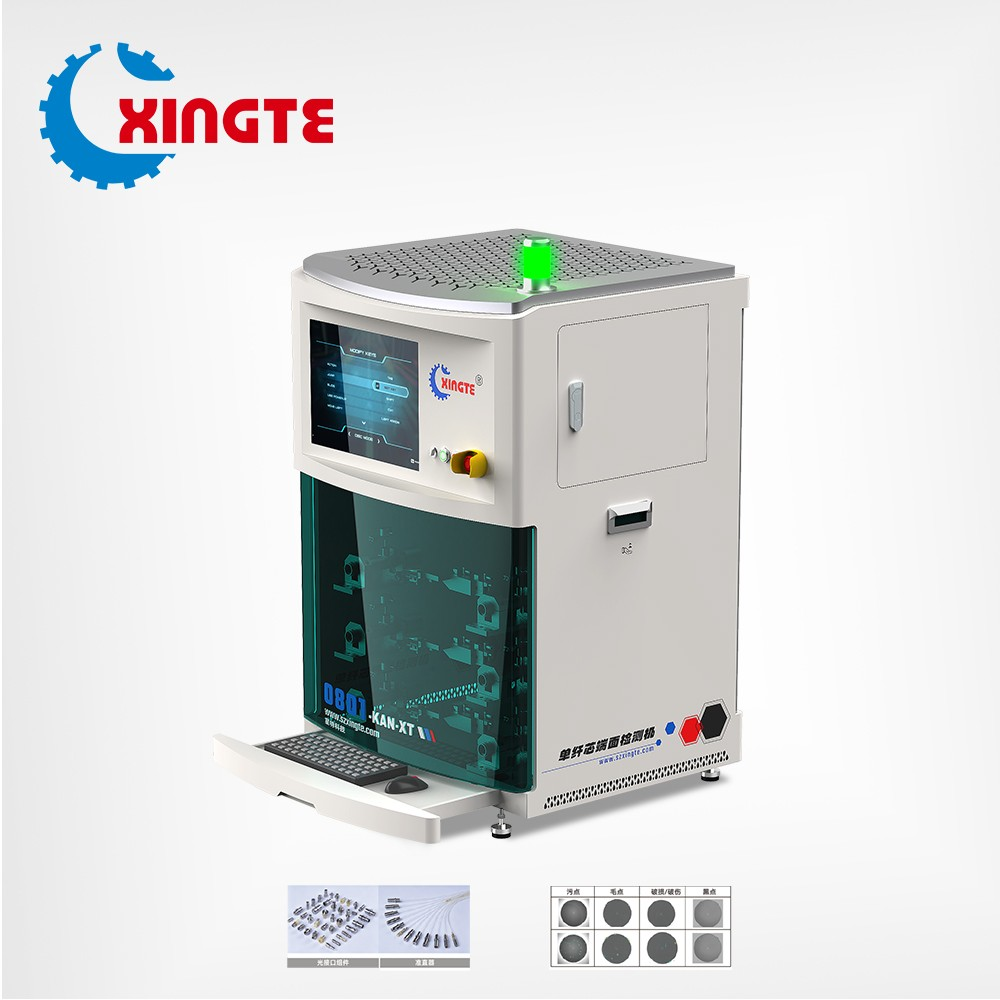
2. Protecting Yield with Front-End Inspection and Process Control
Moving inspection upstream is an effective way to improve FA coupling yield. The single-fiber end-face inspection machine targets single-fiber devices such as TOSA/ROSA and single-fiber FA assemblies. Using optical microscopy, it autofocuses, captures and analyzes images to detect scratches, pits, chipping and contamination on the fiber end face, and judges pass/fail against configurable thresholds. It is used both for incoming inspection before assembly and for re-inspection after coupling; inspection images and judgment results are saved automatically for full-process quality traceability, and it can interface with automated loading/unloading to integrate seamlessly with coupling and assembly lines. The coupling step is handled by an automatic coupling machine, which completes peak search, alignment, dispensing and curing on a nano-precision platform with an intelligent peak-search algorithm, and applies closed-loop control over key metrics such as adhesive thickness, flatness and return loss.
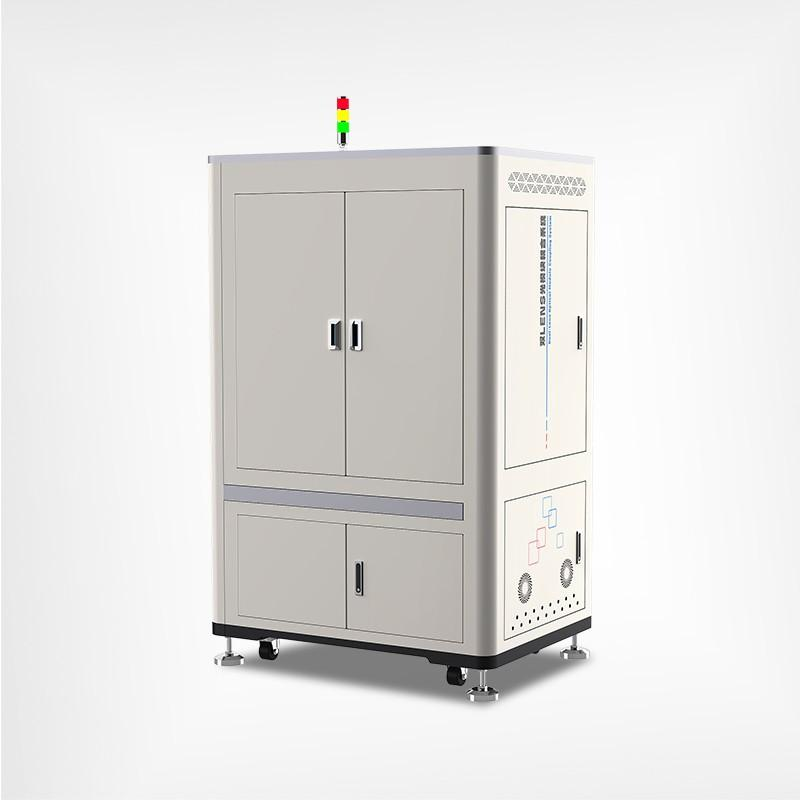
3. General Best Practices for Commissioning
Equipment precision ultimately depends on disciplined commissioning. Based on common practice in optical communication automation lines, commissioning can be approached in a few ways: keep components and tooling clean to reduce contamination and end-face defects at the source; re-run positioning calibration after changeover so the motion platform and vision baseline agree; lock peak-search, dispensing and curing parameters into recipes rather than adjusting them by feel between batches; and run a full first-article re-inspection to confirm both end-face inspection judgment and coupling metrics are within control before releasing the batch. Centered on FA coupling yield, Shenzhen Xingte Technology Co., Ltd. offers automated line solutions that link end-face inspection with automatic coupling, helping optical device makers steadily improve batch yield and production consistency.