
As the core production equipment of a coil factory, the operational stability of a winding machine directly relates to production capacity and product quality. Doing good routine equipment maintenance can not only effectively reduce fault downtime and ensure production continuity, but also significantly extend equipment service life and reduce long-term maintenance costs. This article provides a practical winding machine maintenance guide for coil factories from a hands-on perspective.
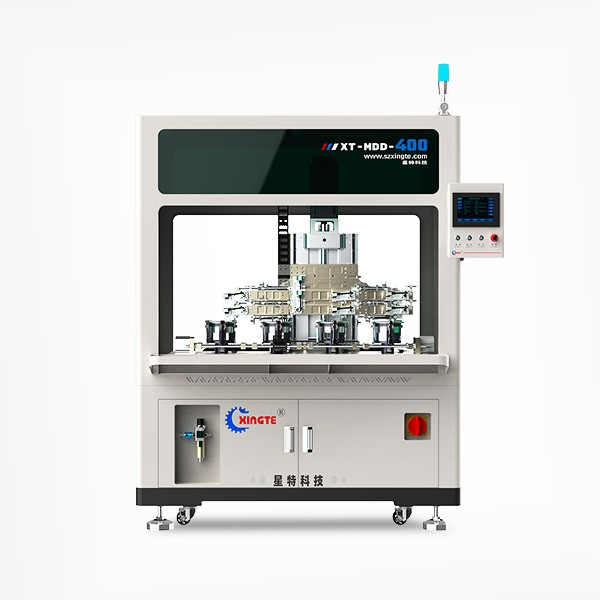
1. Daily cleaning, eliminating hidden dangers. During operation, winding machines generate impurities such as enamel skin, wire ends and dust from enameled wire winding. If not cleaned in time, they easily enter moving parts and the control system, causing jamming, wear and even circuit faults. It is recommended that after each day’s production, use dedicated tools to clean the surface and interior of the equipment to remove enamel skin, wire ends and dust, keeping the equipment clean. This is the most basic and most important step.
2. Regular lubrication, reducing wear. Moving parts such as guide rails, lead screws and bearings are the “joints” of a winding machine, and they wear out under long-term high-speed operation. According to the cycle and specifications specified in the equipment manual, add dedicated lubricating oil to relevant moving parts to keep them fully lubricated, reduce mechanical wear and extend component life. Avoid using mismatched lubricating grease, which could be counterproductive.
3. Parameter inspection, preventing problems. It is recommended to regularly check key operating parameters such as the tension system, winding accuracy and spindle speed stability, calibrate deviations in time, and avoid operating the equipment in a faulty state. Through parameter inspection, hidden dangers such as tension drift and winding deviation can be detected early and nipped in the bud, avoiding impacts on coil quality.
4. Standardized operation and thorough training. Equipment life is closely related to operating habits. It is recommended to establish standardized operation and maintenance procedures, provide systematic training to operators, prohibit irregular and rough operations, and reduce equipment damage caused by human factors from the source. Standardized working habits are the most economical “maintenance”.
5. Establishing ledgers and planned maintenance. It is recommended to establish a maintenance ledger for each machine, recording maintenance time, items, replaced parts and other information, and formulate periodic preventive maintenance plans. Through scientific ledger management and planned maintenance, equipment can always be kept in optimal operating condition, maximizing its value.
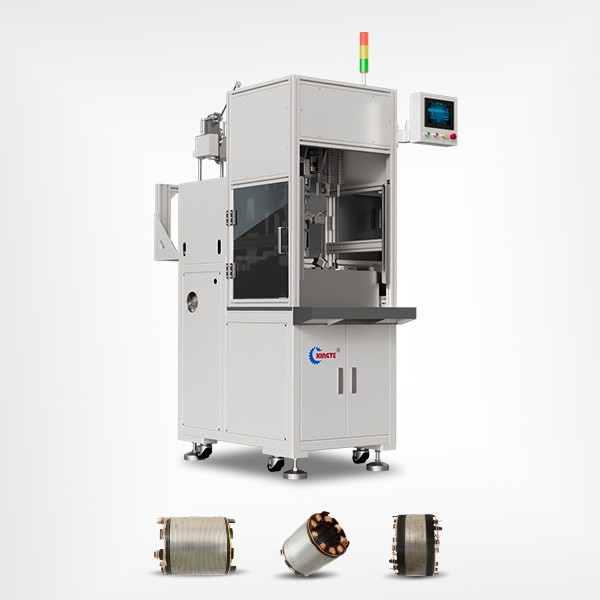
Besides the daily maintenance points above, coil factories are also advised to control the operating environment. Winding machines are sensitive to temperature, humidity and dust, so the workshop should be kept ventilated, dry and clean, avoiding long-term placement in high-temperature, high-humidity or dusty environments, reducing the risk of electrical component aging and mechanical faults from the source. Regular inspection of the electrical control system is also important, including periodic checks of power, air supply, sensors and control wiring, and timely replacement of aged wearing parts to ensure the equipment operates in optimal condition.
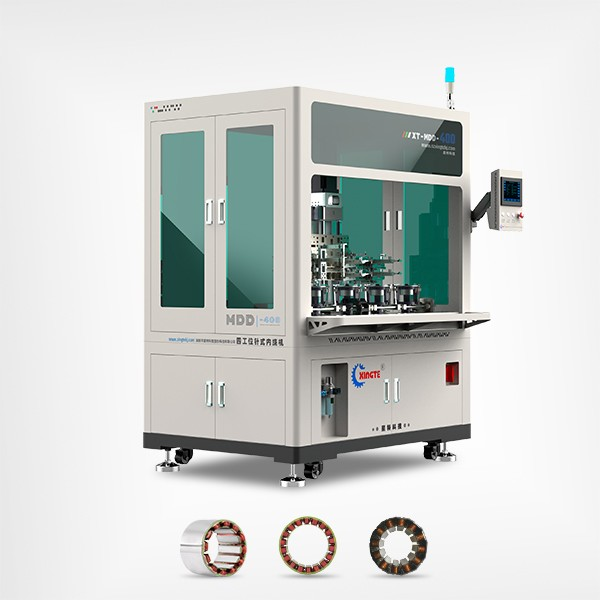
Doing good daily cleaning, regular lubrication, parameter inspection, standardized operation and planned maintenance is the key for coil factories to extend the service life of winding machines and ensure high output and high efficiency. XINGTE provides complete equipment after-sales and technical support services, helping customers establish scientific maintenance systems so that equipment operates stably for a long time, helping companies continuously reduce costs and improve efficiency.
As long as maintenance systems such as cleaning, lubrication, inspection and ledgers are persistently implemented, the long-term stability and service life of equipment can be reliably guaranteed.