
In multi-variety, small-batch production modes, the efficiency of equipment changeover directly determines a company’s order delivery capability and production-line utilization rate. For coil manufacturers, having many product models and specifications is the norm. If every changeover on a winding machine takes hours, it not only severely consumes effective production time but also raises production costs and slows delivery pace. So how do we achieve rapid winding machine changeover? This article provides key insights.
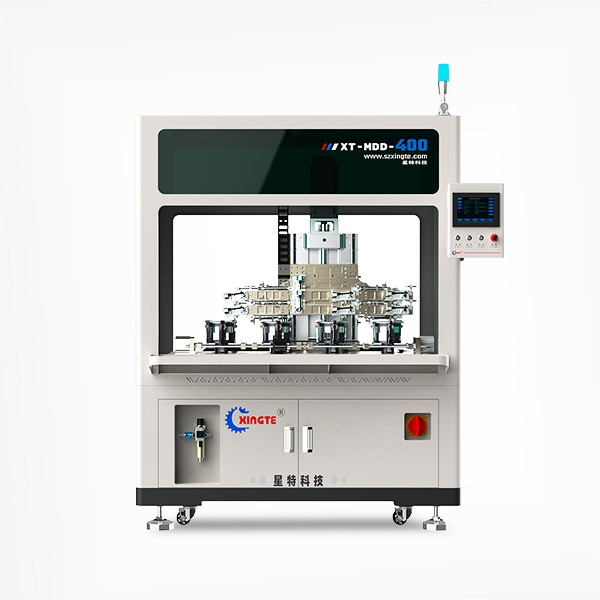
1. Pain points of traditional changeover. When switching products on a traditional winding machine, many process parameters often need to be re-adjusted, fixtures changed, and alignment recalibrated. Some complex products even require repeated trial winding and correction, and the whole process can take hours. In the case of interleaved scheduling of multi-variety orders, frequent changeovers greatly reduce the overall utilization rate of the line, becoming the main bottleneck restricting capacity improvement.
2. The value of modular design. The core of rapid changeover lies in the modular design of the winding machine. A modular winding machine designs key components such as fixtures, winding mechanisms and tension systems as quickly detachable structures. With quick-change fixtures and standard interfaces, operators can change them quickly without professional tools, fundamentally shortening changeover time.
3. The key role of parameter recipe storage. Besides the quick-change design in hardware, parameter recipe storage in software is equally important. A high-precision fully automatic winding machine can save winding parameters, tension curves, winding paths and other settings of different products in the form of “recipes”. When changing over, operators only need to call the corresponding product recipe with one click and replace the simple fixture, completing changeover within dozens of minutes without repeatedly exploring parameters, greatly reducing downtime while ensuring batch consistency.
4. XINGTE’s flexible changeover capability. XINGTE’s fully automatic winding machines adopt a flexible modular architecture, with convenient and fast changeover, strong expandability, and adaptability to multi-category, multi-specification production. From standalone machines to complete lines, flexible combinations are supported, especially suited to small-batch, multi-variety order scenarios, helping companies respond quickly to market changes and new product iteration needs.
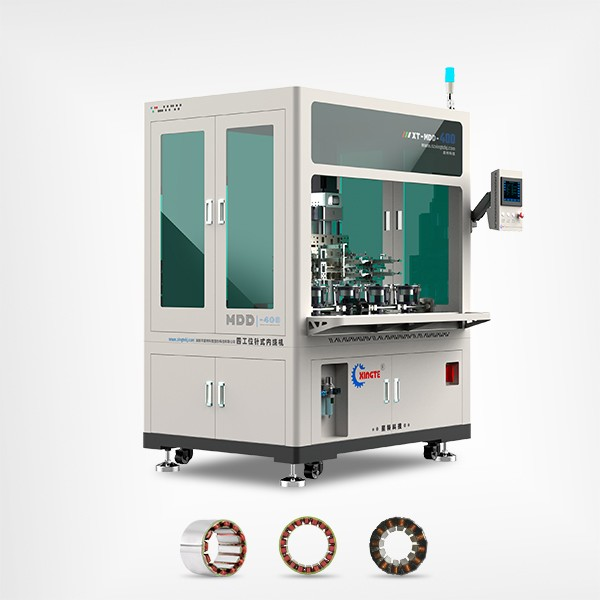
In today’s emphasis on flexible production, changeover capability is not just a function of equipment but a comprehensive reflection of a company’s operational efficiency. Rapid changeover brings multiple chain benefits: on one hand, shorter changeover time means higher effective utilization, so the same line can produce more varieties per unit time, directly lowering unit manufacturing cost; on the other hand, one-click parameter recipes ensure process consistency after each changeover, reducing quality fluctuation caused by improper manual parameter adjustment. For coil processors with frequent orders, many models and tight delivery schedules, compressing changeover time from hours to dozens of minutes often means a significant improvement in order fulfillment rate and customer satisfaction.
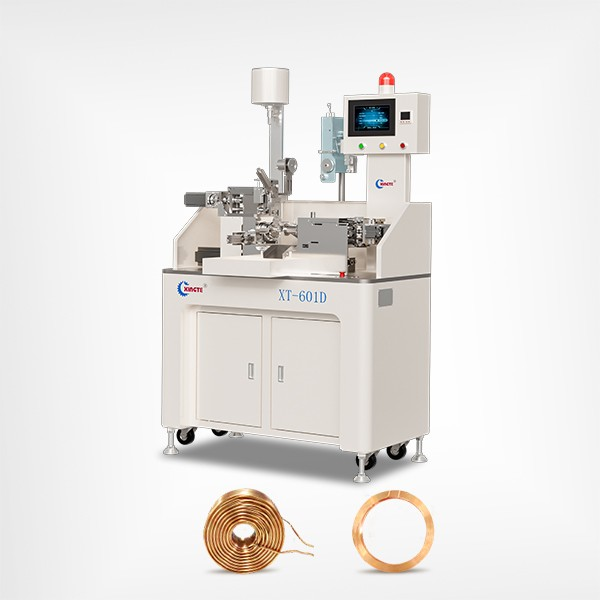
In summary, facing increasingly fragmented order structures, the rapid changeover capability of winding machines has become a core competitive advantage for flexible production. Choosing flexible winding equipment with a modular architecture, quick-change fixtures and parameter recipe storage, such as XINGTE’s, is a reliable path for companies to build core capacity advantages and gain the initiative in multi-variety, small-batch market competition.
In addition, XINGTE can provide targeted changeover solutions and process support according to customers’ special coil products, helping companies continuously optimize the changeover process so that flexible production truly comes into practice.