The precision of a LiDAR system is determined starting from the winding process.
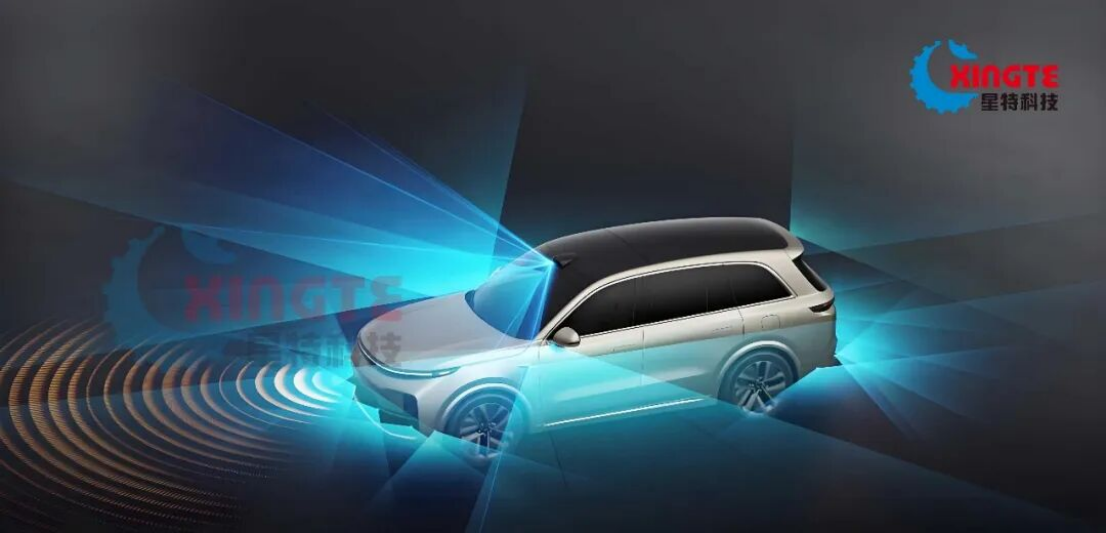
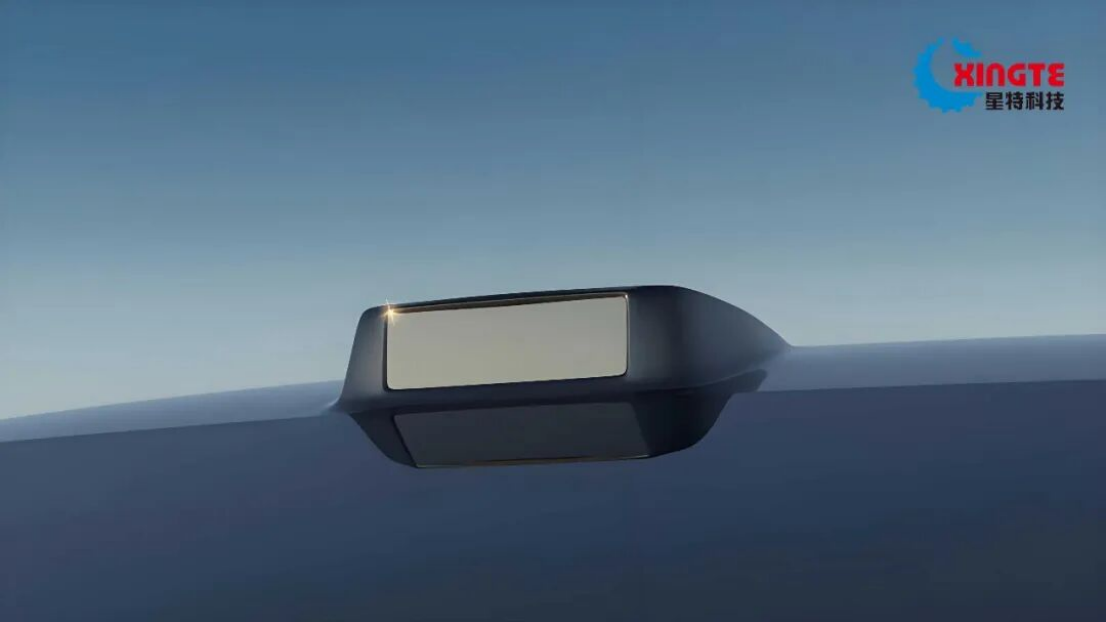
Simply put, a LiDAR works by “drawing a 3D map with laser light”. The galvo motor inside precisely adjusts the angle of the reflector, steering the laser beam to scan along predefined trajectories. The accuracy of the scanning angle and the stability of beam orientation directly govern the clarity and reliability of this 3D point cloud map.
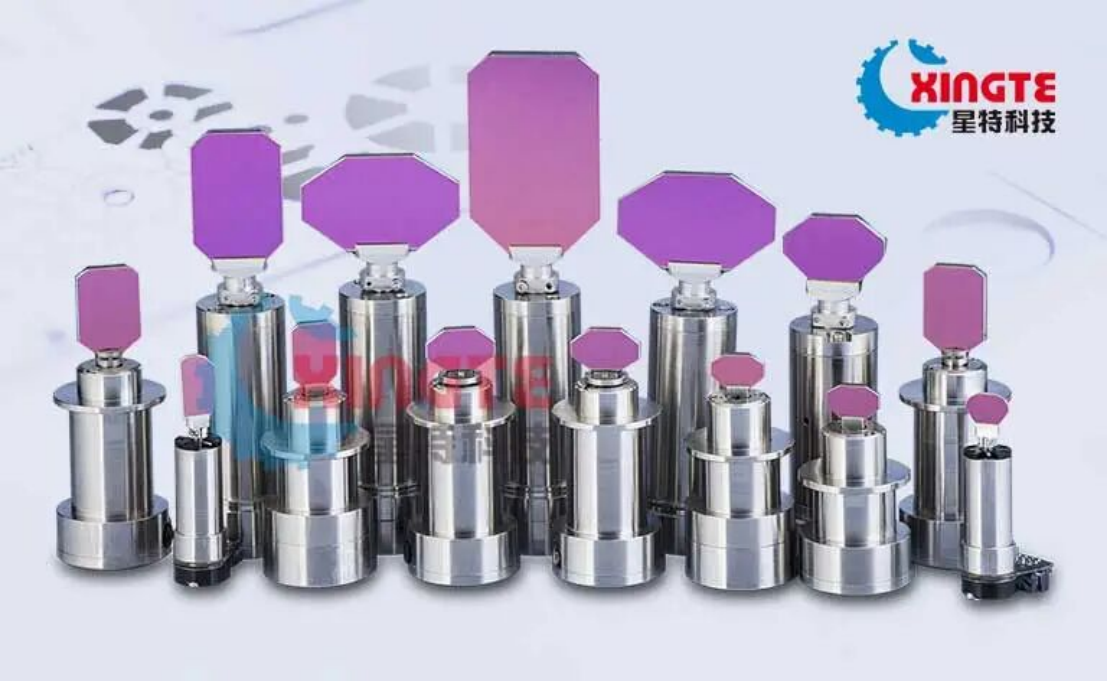
At the heart of the galvo motor lies its coil winding. These windings are extremely miniature: wire diameter can be as fine as 0.02 mm, with dense turns and forming accuracy measured in microns. Uniform winding arrangement, stable tension and consistent turn count directly translate to the galvo’s scanning precision, imaging quality and overall service life of the LiDAR unit.
In short, the upper limit of a LiDAR’s precision is locked in at the winding stage.
Structural Changes Reshaping the Industry
China’s LiDAR installation volume reached 3.386 million units in 2025, a year-on-year increase of over 120%. According to the 2026–2031 China LiDAR Market Research and Industry Prospect Forecast Report released by China Commerce Industry Research Institute, China’s LiDAR installation volume is expected to approach 4 million units in 2026. L3-grade vehicles will carry 3 to 6 LiDAR sensors per automobile. Rapid market expansion is an undisputed trend.
Nevertheless, the supply-side landscape tells a more compelling story.
Numerous domestic winding equipment suppliers exist, yet most only offer general-purpose machines capable of manufacturing ordinary micro motors, not galvo coils. Ultra-fine wire dense winding, zero-tolerance wire arrangement and consistent mass production represent substantial technical barriers for galvo coil manufacturing. The sector faces a distinct structural imbalance: surplus low-end capacity alongside a shortage of high-end production capacity.

Meanwhile, encouraging progress is underway. High-end precision winding equipment was long import-reliant, with German and Japanese suppliers dominating the high-end galvo motor production line market. This landscape is now being disrupted. Leading domestic manufacturers such as Xingte Technology have achieved breakthroughs in core technologies including closed-loop tension control, high-precision visual alignment and real-time intelligent correction. The accuracy and stability of their equipment are now comparable to imported alternatives. Domestic substitution is no longer a slogan — it is an unfolding industrial reality.
What Makes High-End Galvo Coil Winding So Challenging?
Winding for conventional motors is relatively straightforward, yet the difficulty rises exponentially for LiDAR galvo coils.
- Extremely fine wire material: Excessive tension during winding causes wire breakage; insufficient tension results in loose windings. Tension control is not a fixed preset value; it requires millisecond-level dynamic adjustment.
- Stringent forming tolerance: Galvo coils demand minimal turn error and neatly packed winding layers. Precision sufficient for regular micro motors falls short here. Minor offset at the winding start or misaligned layers will produce visible deviation in the final scanning performance.
- Hard-to-maintain batch consistency: Producing one qualified prototype is achievable; sustaining consistent electromagnetic parameters and stable yield across mass production is the true test for industrial equipment.
Galvo coil winding equipment operates on an entirely different performance tier from standard micro motor winding machines. Precision, tension control and consistency are all indispensable. Xingte Technology’s Position in This Track
Xingte Technology’s expertise in this field did not emerge after the LiDAR boom. Founded in 2011, the company has specialized in precision winding for more than a decade. Its credentials — National High-Tech Enterprise, National Specialized, Refined, Differential and Innovative “Little Giant” Enterprise, and Guangdong Manufacturing Single Champion — are backed by solid technological accumulation.
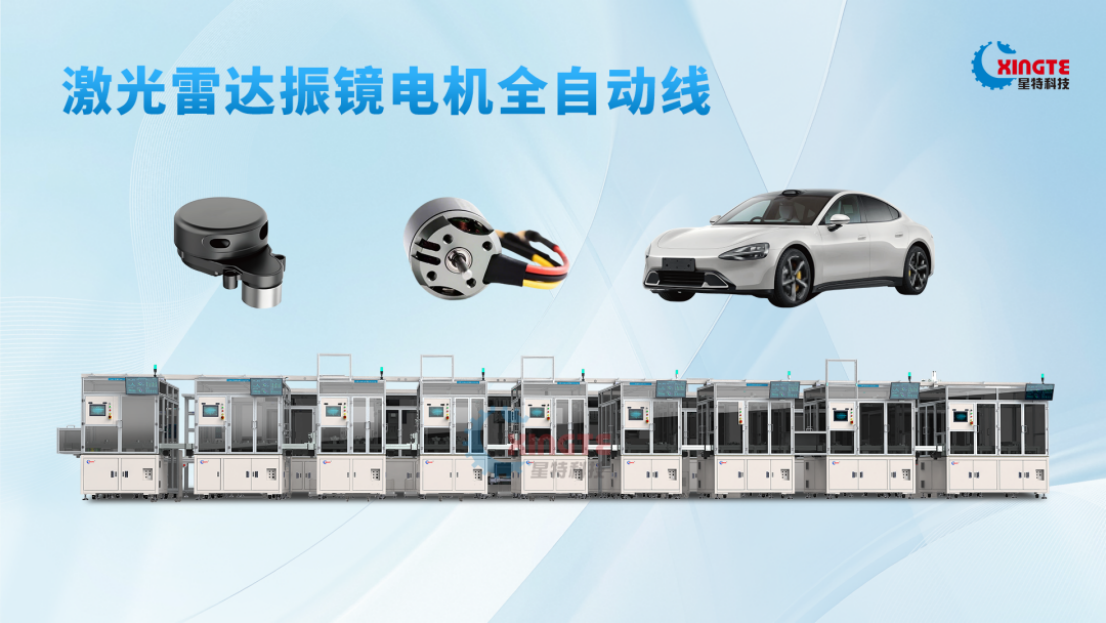
For automated production lines dedicated to LiDAR galvo motors, Xingte’s core strengths are reflected in key performance indicators: Winding precision up to 0.01 mm, equipped with self-developed closed-loop tension control system that dynamically regulates ultra-fine wire tension at millisecond intervals. Common defects in galvo winding such as wire breakage, enamel scraping and loose coils are systematically mitigated at the equipment level. Integrated visual inspection and intelligent correction deliver highly controllable winding start positions, pushing turn error close to zero.
Beyond standalone technical parameters, the equipment’s flexibility and iterative capability are equally critical. Galvo motor specifications evolve rapidly, with continuous updates to wire diameter, turn counts and structural designs. Xingte’s production lines support fast changeover for multiple coil specifications, customizable parameter tuning and non-standard process customization. New product iterations can be accommodated without replacing core hardware. For LiDAR manufacturers in a fast product upgrade cycle, this means capital investment in equipment will not become obsolete as products evolve.
From a commercial perspective, the value proposition of this production line is clear: secure stable yield through high reliability, adapt to iteration via flexible changeover, and pursue full-lifecycle cost reduction and efficiency improvement instead of focusing merely on upfront equipment purchase cost. Xingte’s products have served multiple leading enterprises across optoelectronic sensing, new energy and intelligent equipment sectors. Eight service hubs at home and abroad support end-to-end services covering customized solution design, equipment delivery and long-term operation & maintenance.
Equipment Selection Is Essentially Choosing Capacity to Evolve Alongside Your Products
The LiDAR industry is characterized by fast iteration and frequent specification adjustments. Galvo motor coil parameters including wire gauge, turn quantity and structure may undergo multiple revisions within a single year.
This imposes a fundamental requirement on winding equipment: it should not be treated as a one-time capital expenditure, but as an asset that evolves together with your products.

Key dimensions to evaluate during supplier selection: precision control capability (whether closed-loop tension control and visual correction are fully implemented), flexible changeover capability (changeover duration and hardware replacement requirements for specification switching), and service responsiveness (debugging, training, spare parts and after-sales support). Over-specifying equipment or choosing purely based on unit price often leads to far higher hidden costs during mass production.
LiDAR galvo motor winding is essentially the stable, scalable manufacturing of micron-accuracy components. With a properly matched automated production line, this highly demanding process can be transformed from a production bottleneck into routine, reliable mass manufacturing.