
For optical module manufacturers, introducing a fully automatic coupler is by no means just a simple process upgrade, but a systematic optimization of mass-production capability and cost structure. When evaluating equipment investment, many companies only focus on the investment of a single machine and ignore the long-term comprehensive benefits after the equipment is put into production. This article systematically sorts out the actual benefits that automatic coupling equipment brings to an optical module factory from the three dimensions of yield, capacity and cost.
- Yield and consistency improvement. Stable nanometer-level alignment accuracy, combined with fully closed-loop process control, enables closed-loop management of key optical indicators such as adhesive layer thickness, flatness and return loss, significantly reducing coupling loss fluctuation and improving product consistency. Taking XINGTE’s GMD-100 as an example, its overall coupling yield is stably >97%, greatly reducing defect rates and rework costs and ensuring highly uniform optical performance across every batch.
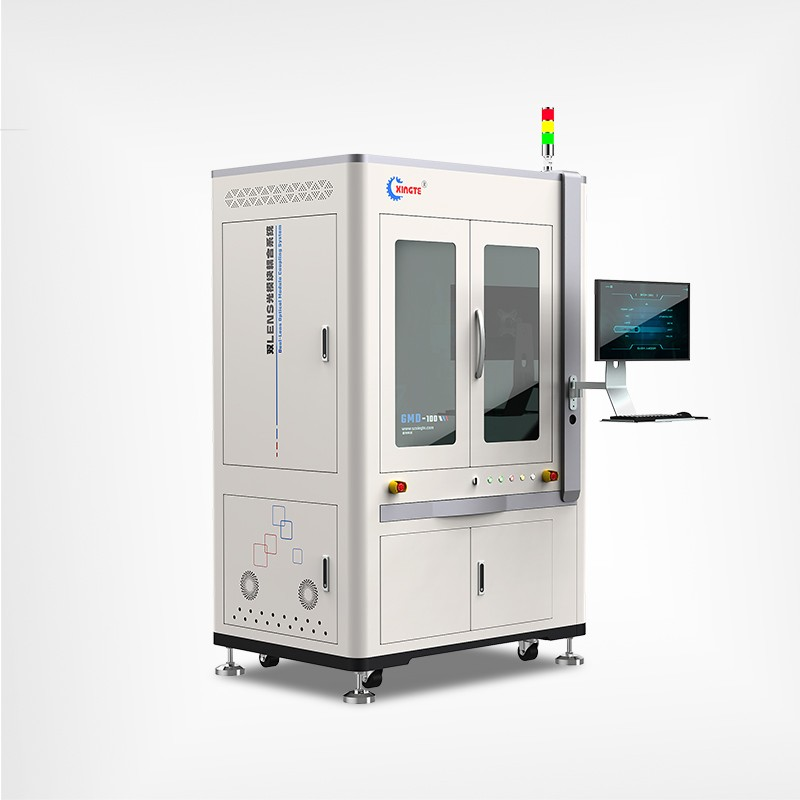
2. Capacity and efficiency improvement. The automatic coupling efficiency of a fully automatic coupler is far higher than manual methods, supports long, uninterrupted line operation, and achieves an equipment utilization rate of >93%. At the same time, with a flexible modular architecture, changeover is fast and line onboarding cycles are short, helping customers achieve rapid scale expansion. Against the backdrop of rapidly growing demand for high-speed optical modules, single-station capacity can reach 3-5 times that of manual methods, becoming key support for releasing capacity.
3. Total cost reduction. A fully automatic coupler greatly reduces the dependence of coupling stations on operators, significantly lowering labor costs and training costs while reducing defective losses caused by human factors. In addition, the equipment has strong anti-interference capability and long-term stable operation, with lower maintenance costs, and its total cost of use is significantly better than manual or semi-automatic solutions, bringing a better return on investment.
4. Flexible expansion for the future. Because the optical module industry has diverse technical routes and rapid product iteration, automatic coupling equipment with dual-process compatibility and a flexible modular architecture can calmly cope with the current parallel development of multiple technical routes, supporting the full-scenario needs of companies from R&D prototyping to large-scale mass production, helping companies maintain long-term competitive advantages in fierce market competition.
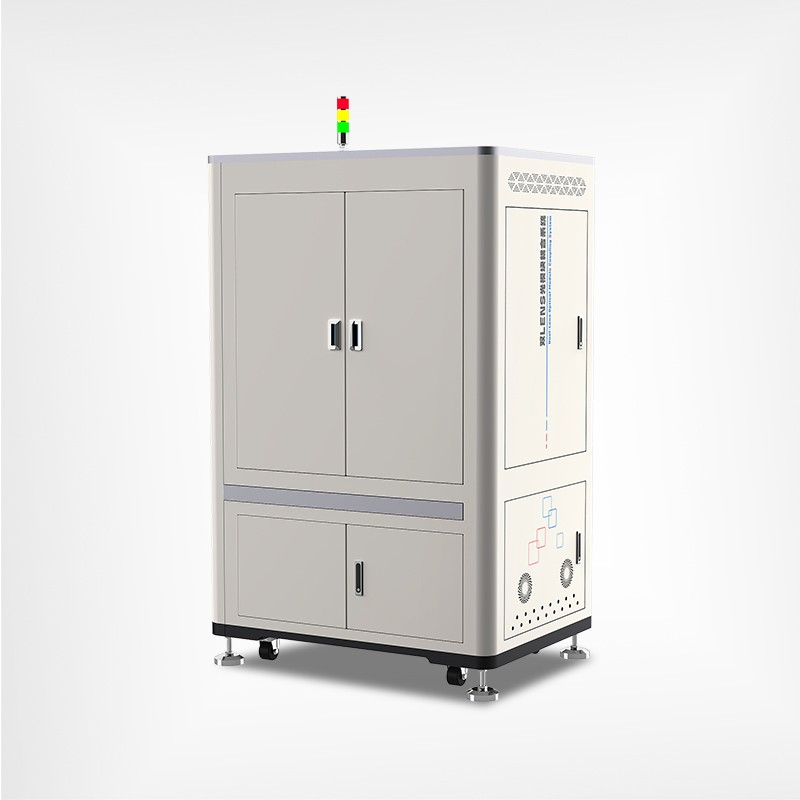
It is worth noting that the benefits of automatic coupling equipment are reflected not only in direct yield and capacity indicators, but also in more far-reaching business value. As industry competition intensifies, optical module manufacturers need to continuously shorten new-product introduction cycles and respond quickly to customer customization needs. Automatic coupling equipment with dual-process compatibility and a flexible architecture helps companies quickly switch processes during new-product validation and small-batch trial production, minimizing the time cost from “sample to mass production”. At the same time, a stable automated line also helps companies build a reliable, high-end brand image, strengthen customer trust, and form differentiated advantages in bidding and business negotiations.
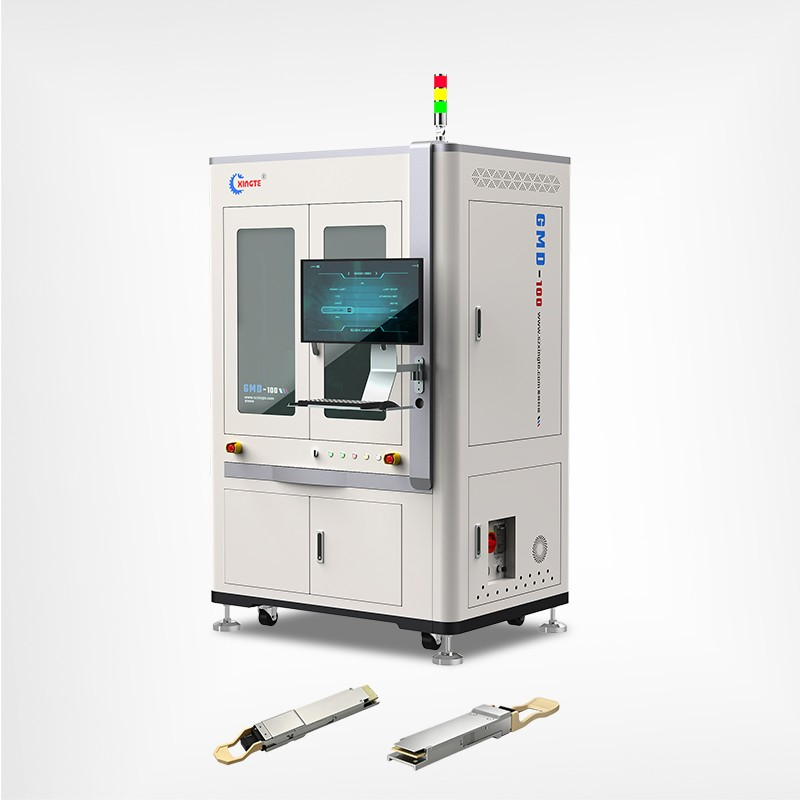
In summary, automatic coupling equipment brings tangible comprehensive benefits to optical module factories by improving yield, releasing capacity, reducing costs and maintaining flexible expansion, making it the ideal equipment choice in the era of large-scale mass production of high-speed optical modules.
At a time when high-speed optical communication investment keeps heating up, companies that complete coupling automation first can often lock in head customers and high-end orders earlier, forming a differentiated first-mover advantage.